
Diagnosing the Root Causes Behind Persistent Roof Leaks
There are few things more frustrating for a homeowner than discovering a water stain on the ceiling right after a heavy rainstorm. If you live in Fort Worth, you know exactly how erratic our weather can be. From sudden spring deluges to intense summer heat and occasional hail, the elements take a serious toll on your property. When a leak appears, the immediate instinct is often to patch the most obvious spot and hope for the best. However, superficial fixes rarely solve the underlying problem.
Many homeowners we speak with are highly skeptical of contractors who simply slap a band-aid on a leak and hand over an invoice. That skepticism is completely understandable. At Hilltop Roofing, we believe that true peace of mind comes from understanding exactly what is happening above your ceiling. Instead of guessing, we take a holistic, root-cause diagnostic approach to roofing issues. We evaluate the entire roof ecosystem and the surrounding structural elements of your home to identify the actual source of the moisture.
Water is incredibly resourceful. It will travel along rafters, drip down insulation, and pool in low spots far away from the original entry point. Because of this, locating how to find the source of a roof leak requires patience, expertise, and a systematic approach. If y'all are tired of placing buckets in the hallway every time the clouds gather over The Metroplex, it is time to look deeper into what is actually failing.
Hidden Signs of Roof Decking Water Damage
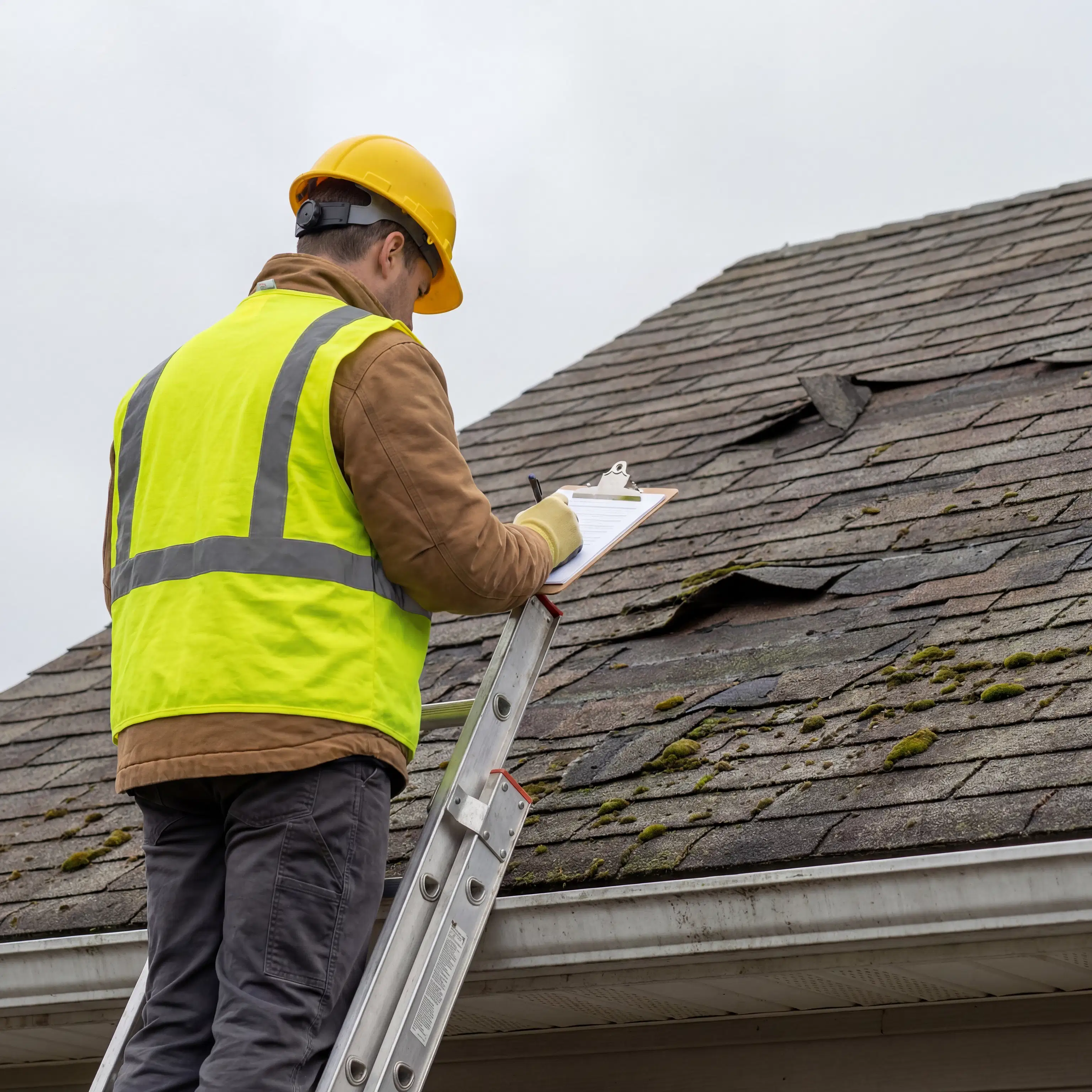
Sometimes, the signs of a roof leak are obvious, like a steady drip during a downpour. But more often than not, the damage is insidious and remains hidden until significant structural deterioration has occurred. One of the most critical areas to evaluate is the roof decking—the wooden boards that provide the foundation for your shingles or tiles.
When water bypasses the outer protective layer, it begins to soak into this wood. Over time, this leads to rot, mold growth, and compromised structural integrity. So, what are the hidden signs of roof decking water damage?
First, take a careful look at your roofline from the ground. Does the surface look perfectly flat, or do you notice subtle dips and sagging areas? Sagging is a primary indicator that the decking underneath has absorbed moisture, lost its strength, and is bowing under the weight of the materials.
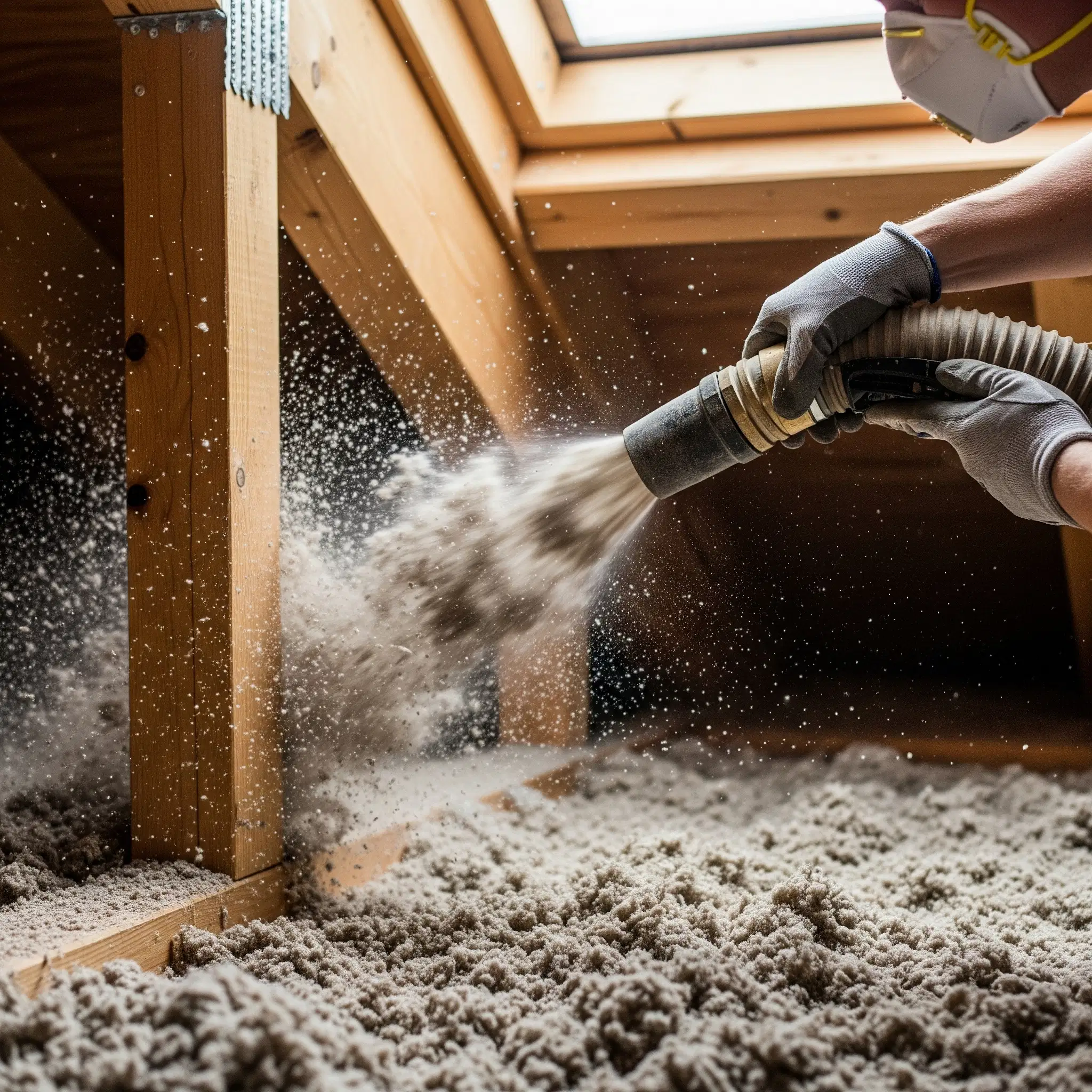
Another place to check is the attic. When our team performs a comprehensive roof inspection, the attic is one of our first stops. We look for dark streaks on the wooden rafters, damp insulation, or a strong musty odor. Additionally, rusty nails protruding through the decking indicate that the attic space is retaining too much moisture. Often, what appears to be a traditional surface leak is actually a complex issue involving poor ventilation. If your attic cannot breathe properly, condensation builds up and essentially rots the decking from the inside out. Addressing this requires precise attic venting repairs to restore proper airflow and protect the structural wood.
The Roof Leak Root Cause Diagnostic Checklist
To ensure we never miss a detail, our team uses a rigorous roof leak root cause diagnostic checklist. We never rely on standard assumptions. Instead, we investigate the unique ecosystem of your specific home. Here is a look into how we track down those persistent leaks:
1. Evaluating the Flashing and Penetrations: The majority of leaks do not occur in the middle of an uninterrupted field of shingles. They happen where the roof is penetrated by chimneys, skylights, plumbing vents, or dormers. We meticulously check the flashing (the metal material used to seal these joints) for rust, cracking, or sealant degradation.
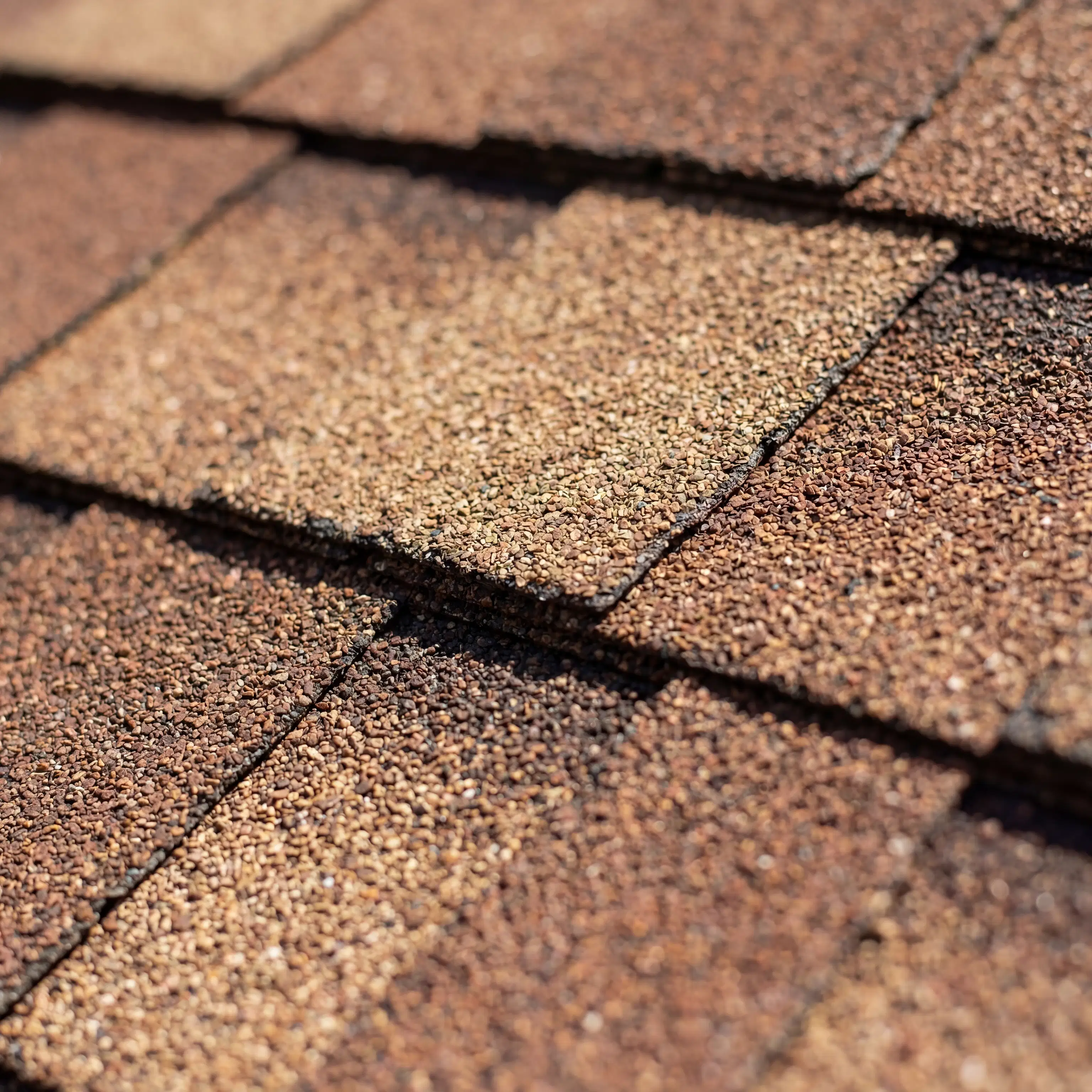
2. Assessing Material Age and Wear: How long is a typical roof expected to last? It depends heavily on the material. Standard asphalt shingles might last 15 to 20 years, while premium standing-seam metal or historic tile can last several decades. We look for curling, blistering, or missing granules that indicate the material has reached the end of its functional life and can no longer repel water effectively.
3. Inspecting Valleys and Drainage: Roof valleys—the V-shaped intersections where two sloping roofs meet—channel a massive amount of water during a storm. If debris like leaves and twigs build up here, it acts like a dam, forcing water back up under the shingles. We ensure these pathways, along with your gutters, are clear and functioning correctly.
4. Utilizing Modern Drone Technology: Embracing modern technology allows us to see things the human eye might miss from a ladder. We utilize high-resolution drone inspections to capture detailed aerial views of complex or steep-slope properties. This helps us spot subtle hail impacts, wind-lifted shingles, and structural anomalies safely and accurately.
5. Checking Ventilation and Insulation: As mentioned earlier, trapped heat and moisture in the attic can mimic a leak. We assess your intake and exhaust vents to ensure your home is breathing properly, recommending attic venting repairs if the system is imbalanced.
Lasting Solutions for Your Home
At Hilltop Roofing, our goal is to thoroughly educate our clients so you can make informed decisions about your property. Whether you are navigating an insurance claim for storm damage or simply trying to solve a persistent drip in the guest bedroom, understanding the root cause is the only way to achieve a permanent fix.
When you hire a licensed, fully insured contractor who prioritizes transparency, you avoid the endless cycle of short-term patching. We provide clear, itemized scopes of work and separate manufacturer warranties from our own stringent workmanship guarantees.
If you suspect hidden water damage, don't wait for the next major storm to test your home's defenses. Reach out to our team right here in Cowtown. We are ready to provide the thorough, honest residential roof repair and diagnostic services your property deserves. Give us a call or contact us today to schedule a comprehensive evaluation and finally put a stop to those persistent leaks.