
Preserving the Past: A Guide to Preventative Maintenance for Historic Tile Roofing
There is an undeniable charm to the historic estates scattered across Cowtown. From the stunning architecture to the timeless materials, these homes tell a story of craftsmanship that is increasingly rare today. Among the most striking features of these properties is often the roof itself. Historic tile roofs are beautiful, resilient, and uniquely capable of standing up to the harsh Texas sun. However, they also require a very specific touch to keep them functioning at their best for generations to come.
Many homeowners we speak with are understandably skeptical when it comes to hiring roofing companies. It is no secret that the industry has its share of storm chasers and contractors who apply one-size-fits-all solutions to complex problems. When you are dealing with a century-old property, a standard checklist simply will not cut it. The materials are delicate, the surrounding structures are irreplaceable, and a single misstep can lead to irreversible damage and skyrocketing roofing cost.
That is exactly why establishing a routine of preventative maintenance is critical for historic homeowners. Proper maintenance does not just fix leaks; it preserves the architectural integrity of your home, prevents sudden financial surprises, and ensures that your antique tiles continue to protect your family while maintaining their original glory.
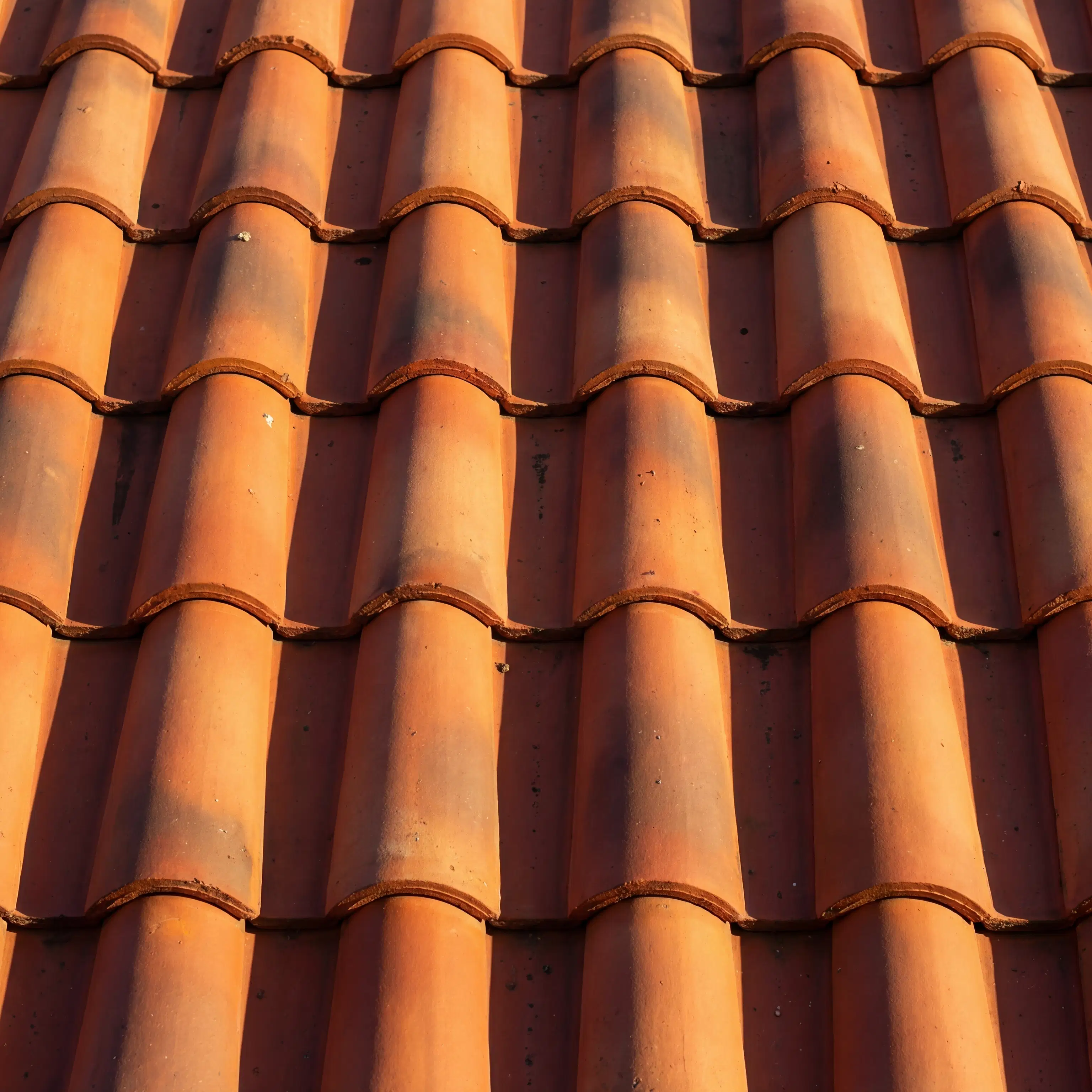
The Holistic Approach to High-End Antique Roofing
When evaluating an older home, it is essential to understand that a historic roof is not just a collection of overlapping materials—it is a complex, interconnected ecosystem. A true diagnostic approach means looking beyond surface-level aesthetics to identify root causes of potential failures. This holistic evaluation looks at how the tile interacts with the roof deck, the flashing, the underlayment, and the surrounding architecture.
One of the most critical aspects of this process is protecting historic masonry during roof repairs. Many older estates feature ornate chimneys, intricate parapet walls, and delicate masonry that can easily be damaged by careless foot traffic or improper staging of heavy roofing materials. A specialized contractor knows how to navigate these challenges, ensuring that every element of the home is respected and preserved.
For those investing in high-end antique roofing, the goal is always preservation first. Skilled professionals understand the exact load-bearing limits of older structures and know how to integrate modern, high-performance underlayments beneath historic tiles without altering the exterior appearance. This blend of traditional craftsmanship and modern building science ensures your roof can withstand severe weather while maintaining its historic designation.
Your Historic Tile Roof Maintenance Checklist
Given the seasonal fluctuations we experience here in Texas—from blistering summer heat to unpredictable spring hail—scheduling off-season inspections is one of the smartest things y'all can do for your property. By having your roof evaluated during quieter weather months, you avoid the sudden rush and secure the time necessary for a meticulous review.
If you want to keep your estate in pristine condition, it helps to know what a proper evaluation looks like. A comprehensive historic tile roof maintenance checklist should include the following:
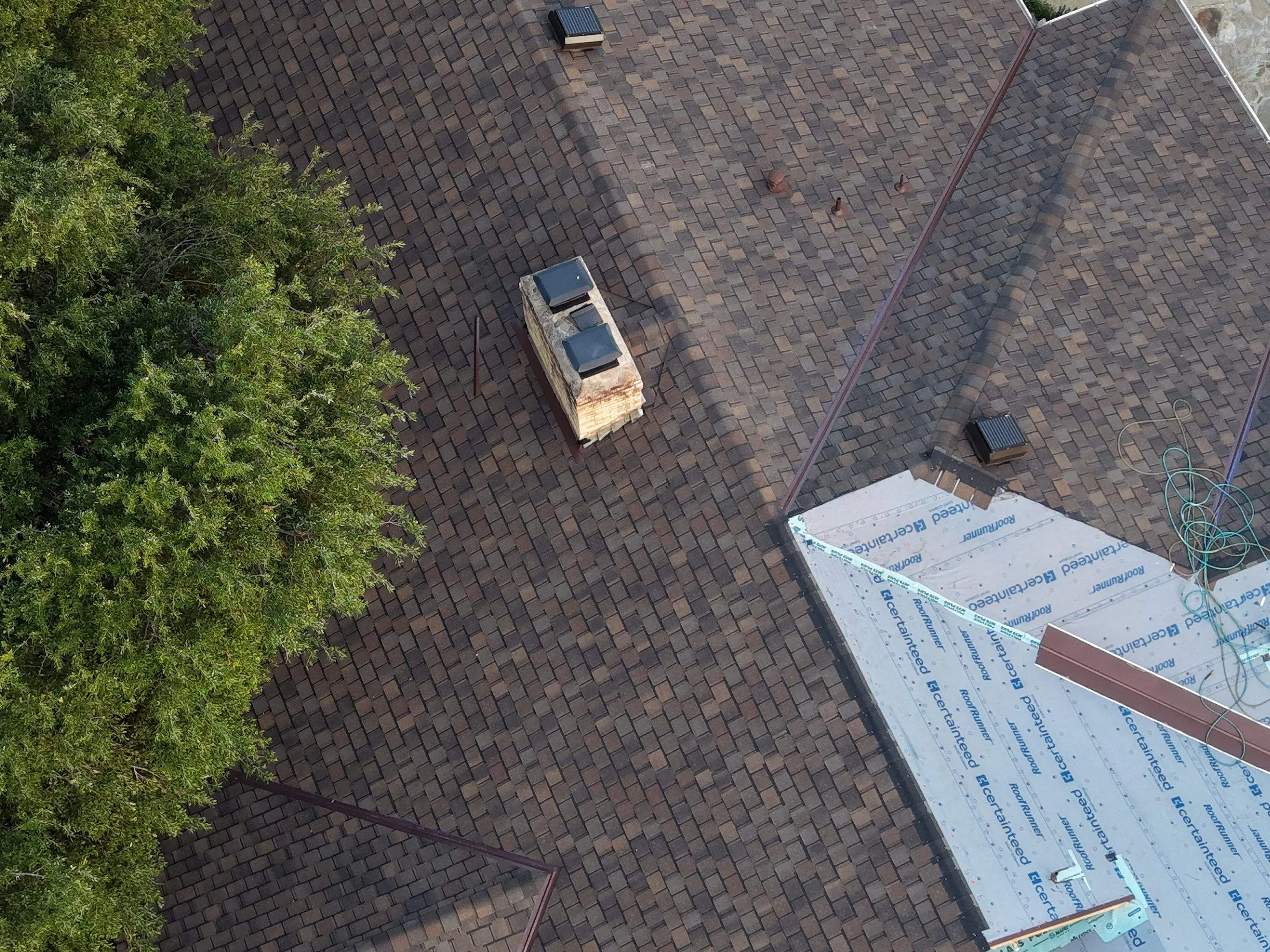
- Visual Assessment of Tile Integrity: Identifying cracked, slipping, or missing tiles. Because antique tiles are brittle, professionals must know how to inspect antique roof tiles without damage, often utilizing drone technology to avoid unnecessary foot traffic on fragile surfaces.
- Flashing and Valley Inspection: Copper and lead flashing materials often outlast the underlayment but can still corrode or separate from historic masonry over time. These critical junctures are where leaks are most likely to form.
- Underlayment Evaluation: The tile itself sheds water, but the underlayment is the true waterproofing layer. On historic homes, older felt papers can dry out and crumble, requiring careful, localized replacement.
- Gutter and Drainage Checks: Ensuring that heavy tile systems are not shedding water onto vulnerable masonry or compromising the foundation of the home.
- Ventilation Analysis: Older homes often lack modern attic venting, which can cause excessive heat buildup that degrades roofing materials prematurely.
Partnering with the Right Local Roofing Experts
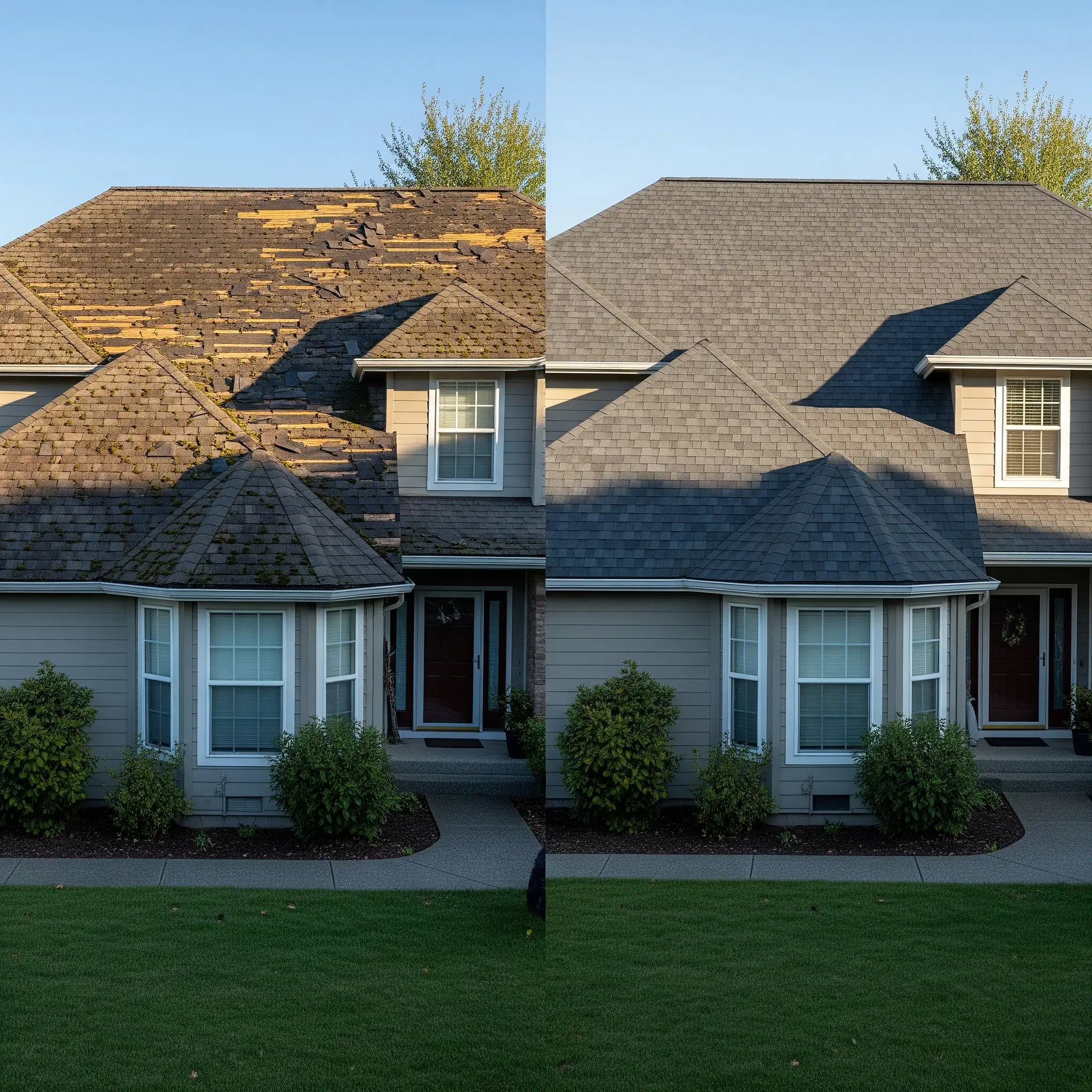
The roofing industry currently faces a severe shortage of highly skilled labor, and this is especially true when it comes to contractors who understand the nuances of antique tile. While a standard residential roof installation might take a day or two, proper tile roof installation and restoration is a painstaking process that can take a week or more. It requires patience, precision, and an unwavering commitment to quality.
When you are making decisions about local roofing services, prioritize contractors who are fully licensed, heavily insured, and deeply embedded in the community. You need a team that offers absolute pricing transparency and distinguishes clearly between manufacturer material warranties and their own workmanship guarantees. High-end materials deserve high-end installation, and cutting corners on labor is simply not worth the long-term risk to your property.
If you own a historic home in Fort Worth or anywhere across the broader Metroplex, protecting your investment starts with proactive care. Do not wait for a major storm to discover vulnerabilities in your antique roof. Reach out to Hilltop Roofing today to schedule a comprehensive diagnostic inspection. You can contact us directly to discuss your specific preservation needs and learn how our tailored approach to roofing repair can keep your historic estate secure and beautiful for decades to come.